
A roof can look solid from the ground while a small hidden detail lets water inside. Flashing is often that detail. It protects the joints, edges, and openings that shingles or metal panels cannot cover by themselves.
At Mountain View Exteriors, we treat flashing as part of a complete roof system. Good roofing contractors look beyond the visible surface. Every layer needs to move water down the roof and away from your home.
What Roof Flashing Does
Roof flashing is usually made from galvanized steel, aluminum, or copper. It directs water over the roofing material or into the gutter before it can enter a joint. Each piece overlaps the one below it, much like shingles do.
Flashing is different from underlayment. Underlayment covers broad areas of roof decking as a secondary barrier. Flashing protects specific trouble spots. Sealant may support these details, but caulk alone is not a reliable replacement. It can crack, shrink, or pull away as it ages.
Where Flashing Matters Most
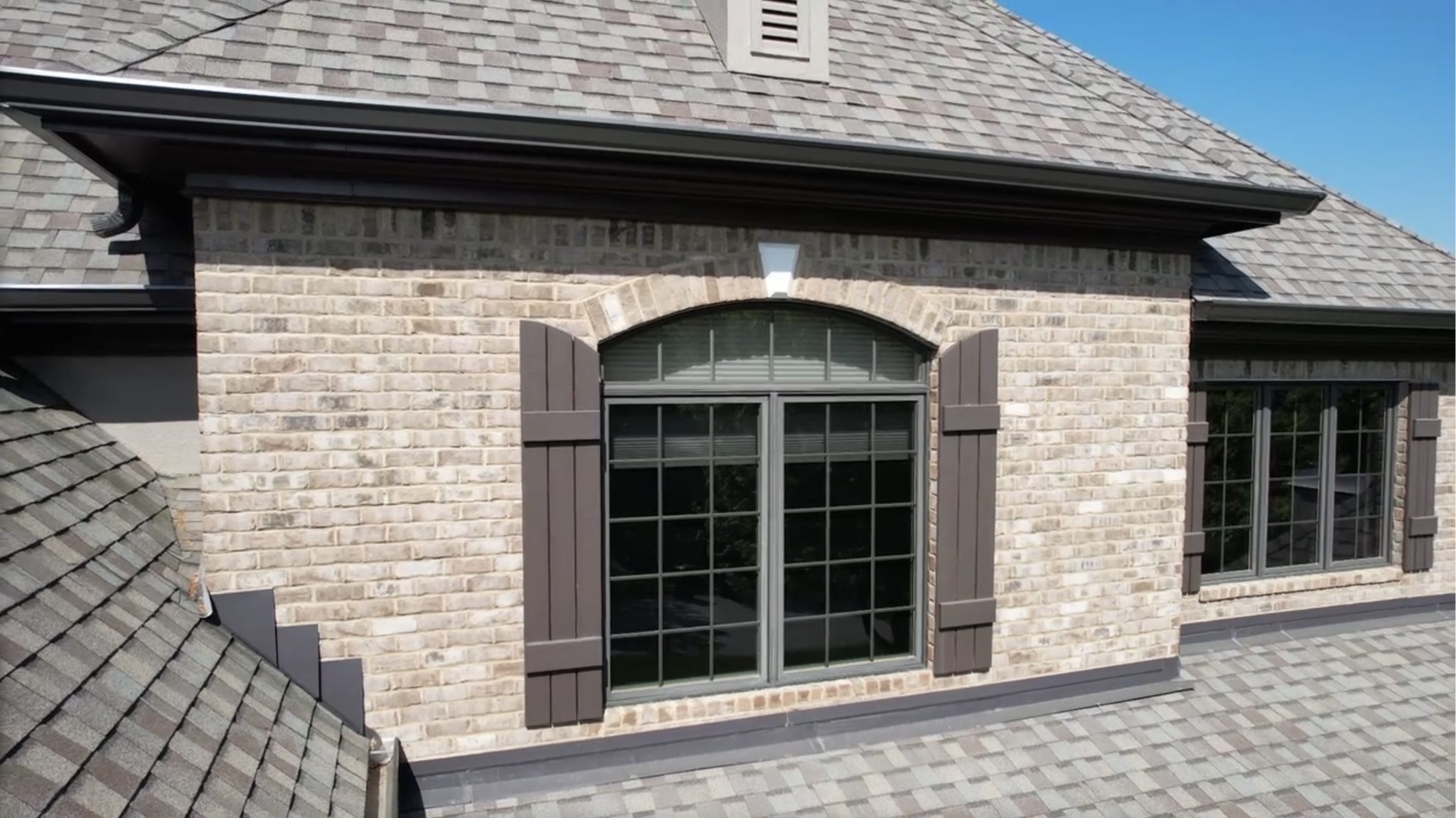
Roof-to-wall intersections need close attention. These areas appear beside dormers, additions, porches, and second-story walls. Step flashing uses individual pieces of metal woven between courses of shingles. At the bottom, kick-out flashing directs runoff away from the siding and into the gutter.
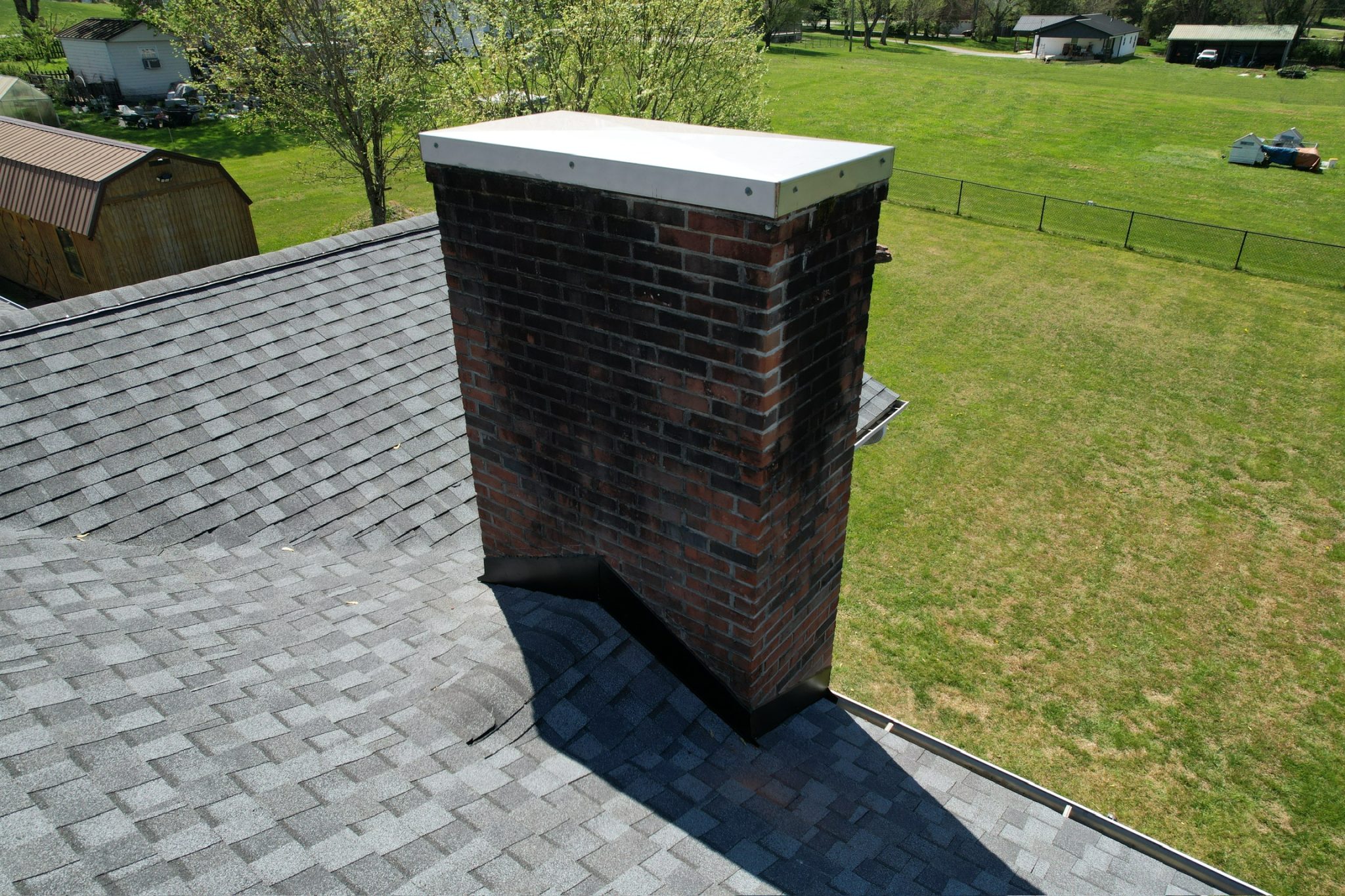
Chimneys require several parts working together. Apron flashing covers the lower face. Step flashing protects the sides. Counterflashing overlaps those pieces, while a back pan or cricket moves water around the uphill side. A wide chimney can hold water and debris behind it if the cricket is missing.
Valleys also carry a large amount of runoff because two slopes drain into one channel. Vents, pipes, and skylights create openings through the roof. Each needs a flashing assembly that releases water back onto the roof surface. Drip edge protects the roof perimeter and helps guide runoff into the gutters.
Flashing Changes With the Roofing Material
The right detail depends on the roof covering. Our asphalt roofing systems often use step flashing woven into the shingle courses. Metal roof options need parts shaped for the panel profile and fastening system.
Metal roof flashings must allow for expansion and contraction as temperatures change. Standing seam and exposed fastener roofs may need different accessories. Applying shingle flashing methods to metal panels can leave gaps or restrict natural movement.
Signs That Flashing May Be Failing
Bent metal, rust, exposed fasteners, and cracked pipe boots can point to trouble. You may also see stains on siding, dark fascia, peeling paint, or damp spots near a chimney. Inside, watch for ceiling stains, musty odors, wet insulation, and dark marks on roof decking.
Roof leaks in heavy rain often appear near an intersection or penetration. Water can travel along rafters before it drips, so the stain may be several feet from the actual opening. A professional roof inspection can trace the water path without putting you on a steep or wet roof.
Flashing During a Roof Replacement
A roof replacement gives us access to flashing hidden beneath old shingles and siding edges. We can inspect the decking around valleys, chimneys, walls, and pipe openings. Reusing bent or corroded flashing can leave an old leak path under new materials.
We explain what to expect during roof replacement before work begins. If your roof has repeated leaks or aging materials, a free roofing estimate can help you understand the condition of the full system and the next practical step.