
Roof Maintenance & Care
How Animal Activity Can Damage Your Roof Without You Noticing
The first clue may be a scratching sound above a bedroom. Or you might notice an animal returning to the same spot near the roof every morning. A ceiling stain may never appear, even while a small opening is getting larger.
Animal activity can affect a roof without being obvious from the driveway. The goal is to catch the access point, identify what’s happening, and address the roofing details in the right order.
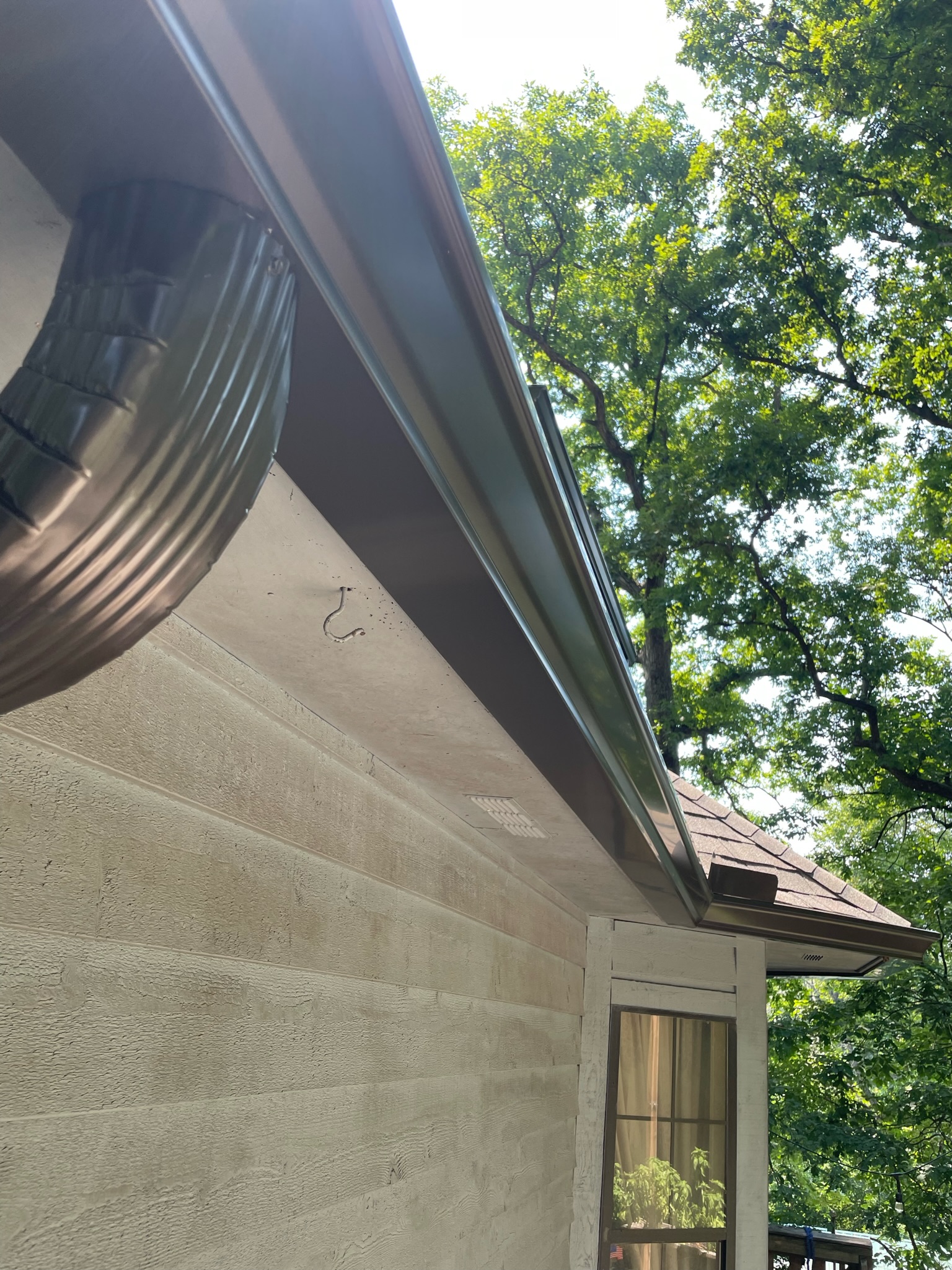
Eaves and nearby branches are useful places to observe when checking for possible animal access.
Small openings can become easier entry points
Squirrels and other climbing animals can use gaps around eaves, roof transitions, or damaged vent covers. A weak opening may already exist. Gnawing can enlarge it and expose more of the materials behind the trim.
The roof edge is a good example. Fascia is the board along the edge, while the soffit covers the underside of the overhang. Damage in that area may give an animal a way into the attic without leaving a dramatic hole in the middle of the roof.
Seeing a squirrel cross the shingles doesn’t prove damage. Repeated entry into one opening is a more useful clue. Photos taken from a safe spot on the ground can help a professional understand what you’ve observed.
Nesting can interfere with airflow and drainage
Nesting material can accumulate near vents or in sheltered roof areas. If it blocks a ventilation opening, it can restrict the airflow that opening was meant to provide. Material around a gutter outlet can also interfere with drainage.
A roof can develop more than one issue in the same area. Debris may hide a damaged edge, and water may reach wood through an opening left by repeated activity. The inspection should look beyond the visible nest or hole.
Our roofing and gutter advice covers related maintenance concerns, but the cause of a specific opening still needs to be checked at the house.
Pay attention to patterns, not one symptom
Sounds, disturbed trim, and nesting material are reasons to investigate. They aren’t a reliable way to identify the animal or measure the damage on their own. Wind can move loose materials, and a stain can have several causes.
Note where you hear the activity and when it occurs. From the ground, look for a vent cover that has shifted, a new gap along the eaves, or a branch reaching the roof. Avoid getting close to an active opening or trying to inspect a steep roof yourself.
If there’s activity in the attic, leave wildlife handling and any contaminated material to qualified professionals. You can give them your observations without disturbing the area.
Confirm the animals are out before closing an opening
Covering a hole as soon as you find it can trap animals or their young inside. A wildlife professional can identify the activity and plan removal or exclusion at the appropriate time.
After that, the roof and surrounding materials can be assessed for the work they need. Simply covering the surface may miss deteriorated wood or a damaged vent underneath. Any replacement vent protection also needs to preserve the airflow the attic requires.
Wildlife exclusion and roofing are different parts of the solution. When you contact us, tell us if a wildlife professional has already identified an entry point. That helps keep the roofing conversation focused on the affected materials and the condition of the roof.
Reduce easy access and keep watching
Have a qualified tree professional assess branches close to the roof. Keep roof-edge debris under control and have damaged openings evaluated before they become larger. After exclusion work, watch from the ground for renewed activity.
If the roof is aging or the damage raises questions about replacement, we’ll help you understand the roofing scope. Arrange a roofing estimate or call (865) 465-8056 to talk through what you’ve found.